03Generative Errors
2026
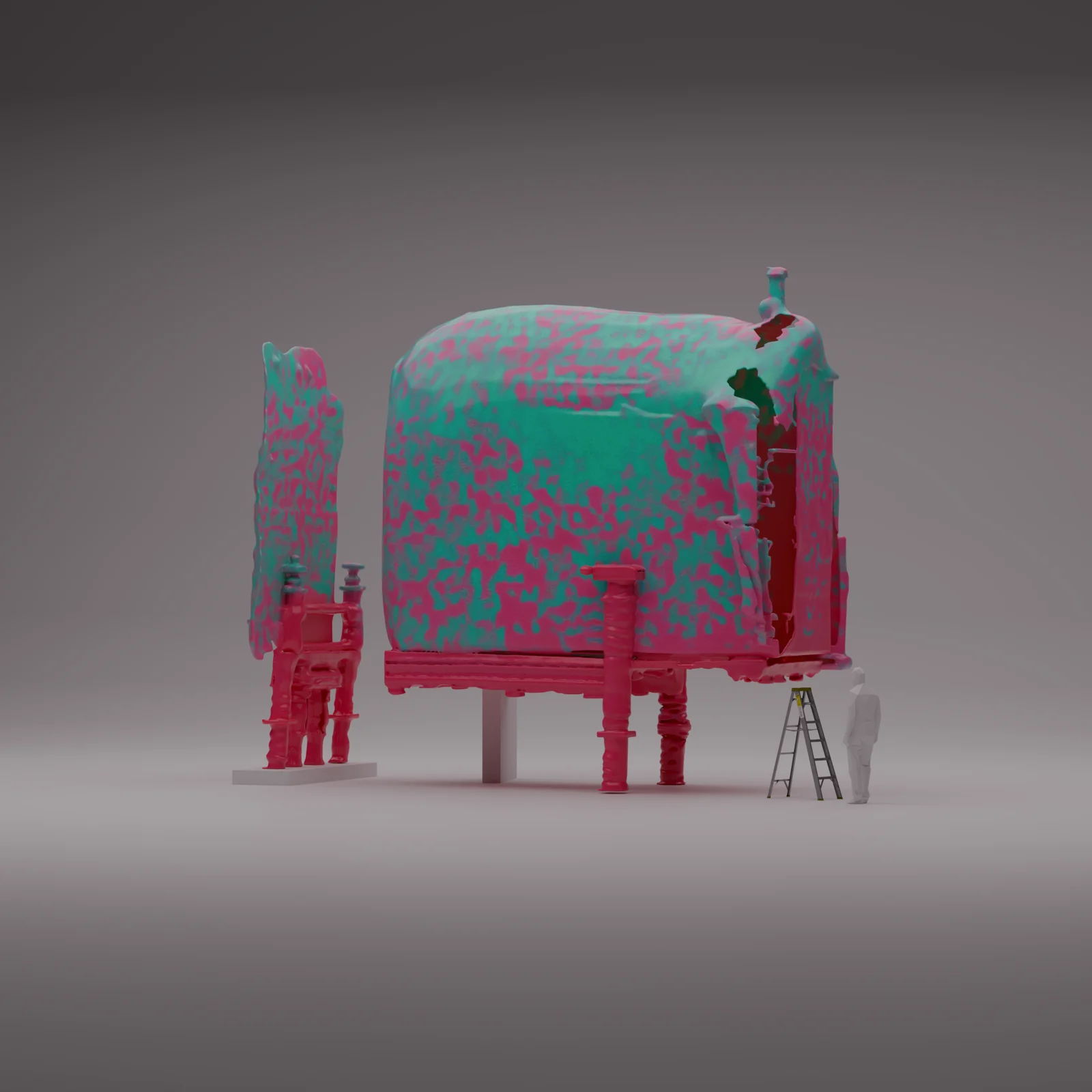
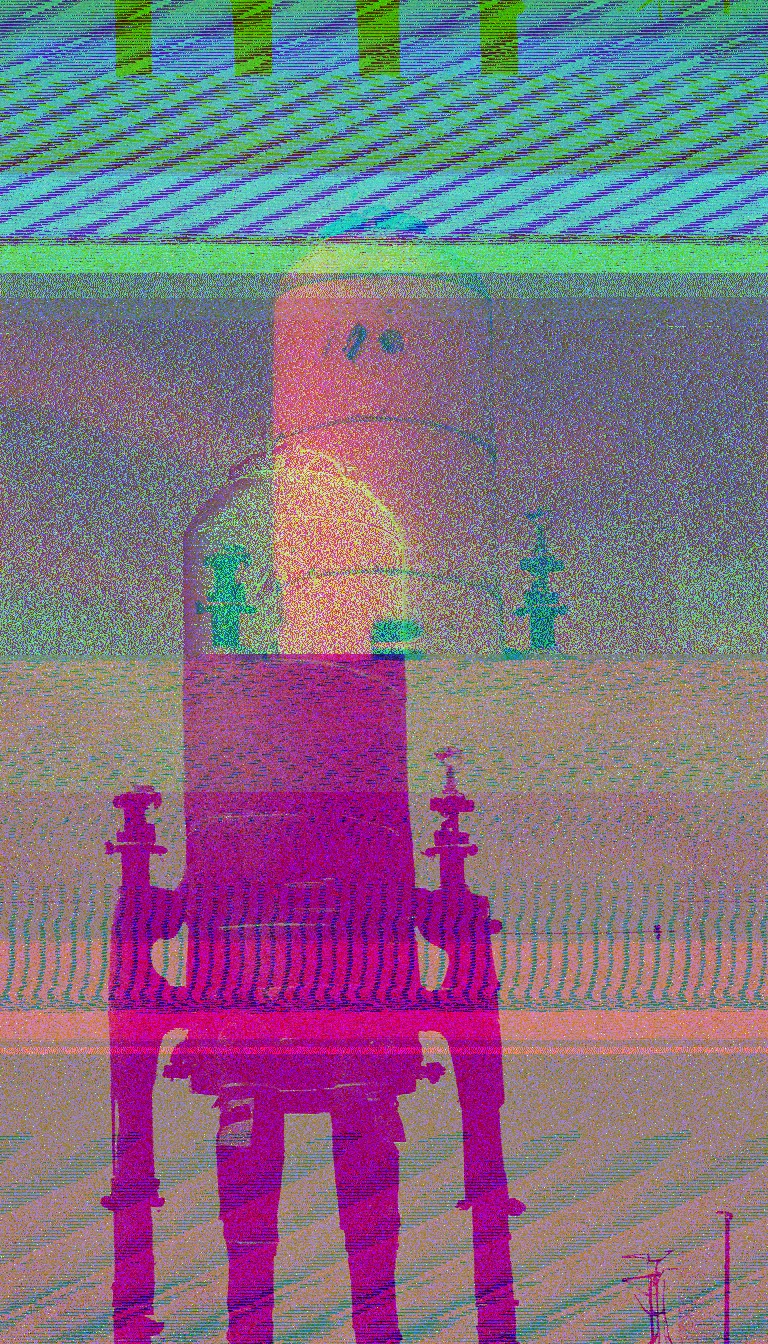
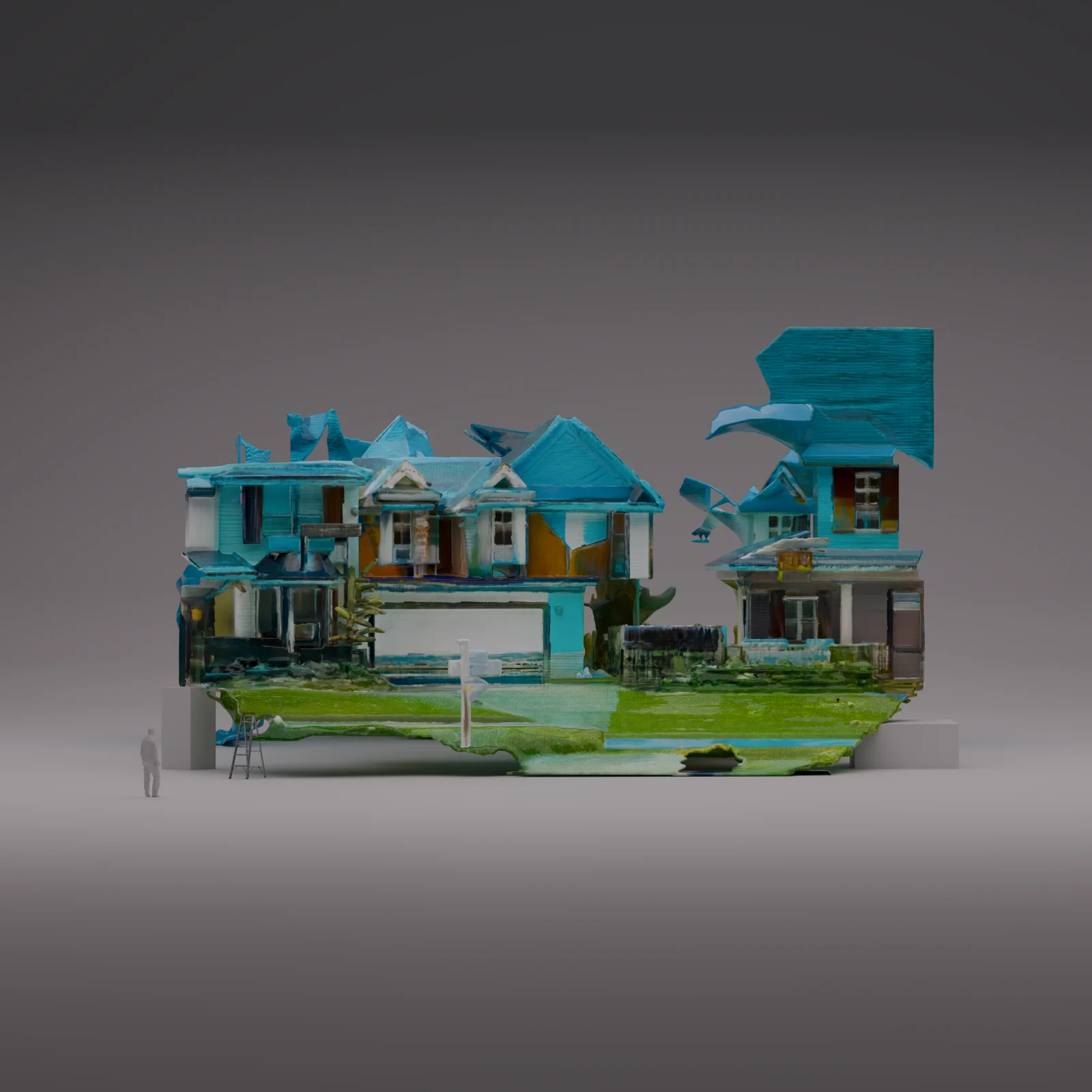


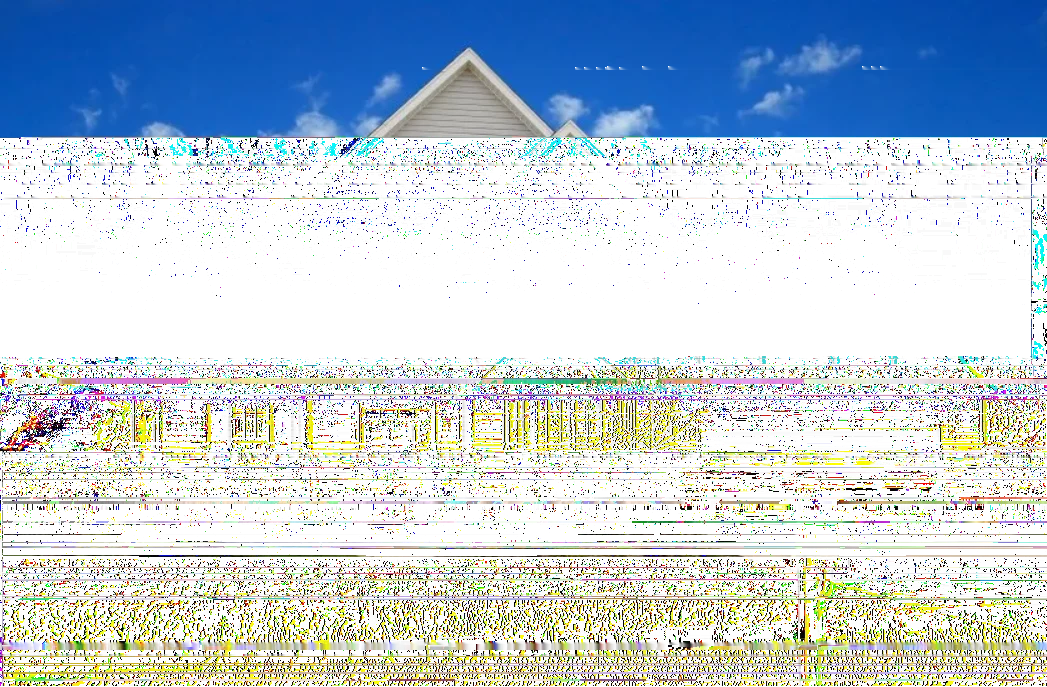
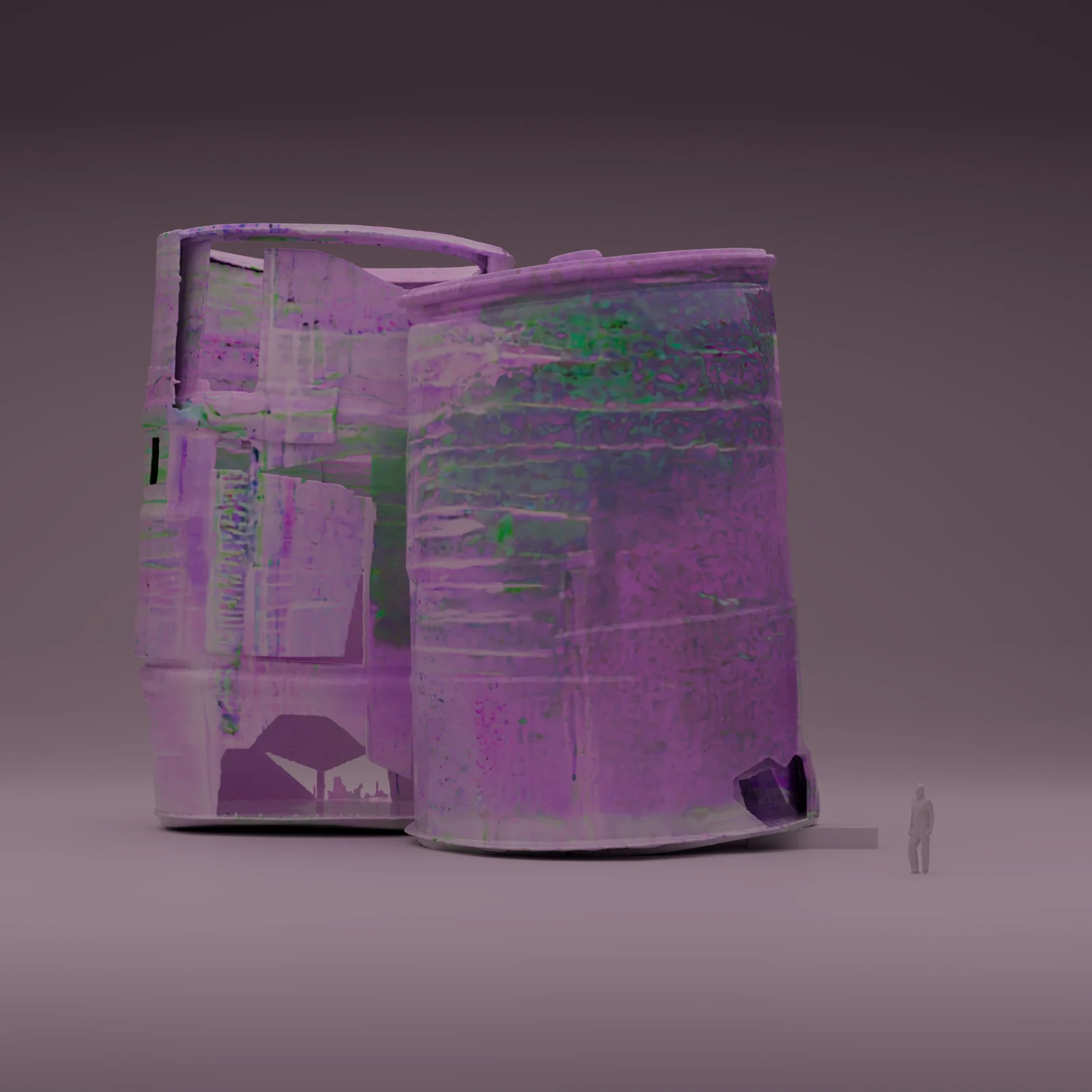

In a visually saturated, media-driven environment, architecture must reconsider how it commands attention. Sleek, highly composed minimalism is easily consumed and quickly ignored; it simply fades into the background of everyday life. Instead, the generative error acts as a pragmatic tool to disrupt this casual consumption. By occupying an ambiguous gray area—a tension between intentional design and systemic failure—the architecture breaks the cycle of passive observation and invites active curiosity.
The workflow examined in this study explores that tension through an explicit, machine-driven near-miss. The process begins with normative photographs that are translated into TIFF files and deliberately corrupted using the audio editor Audacity. By applying audio effects directly to visual data, the image is structurally broken, generating intentional, indexical glitches. These manipulated, raw images are then processed through a ComfyUI workflow utilizing the Trellis model. While the system attempts to reconstruct the familiar, ordinary parts of the initial photograph, it completely fails to comprehend the databent anomalies.
This misinterpretation by the machine forces the generation of a new, unresolved 3D mesh complete with mapped materials. The final renders then re-situate these digital casualties as serious architectural artifacts. By critically examining the resulting objects for their form, scale, and position in space, the project treats the machine’s generative error not as a discarded mistake, but as a rigorous, awkward aggregate that demands a new kind of architectural reading.